


Zimbabwe Wants to Dump the US Dollar by 2030; The World Bank Has a Warning
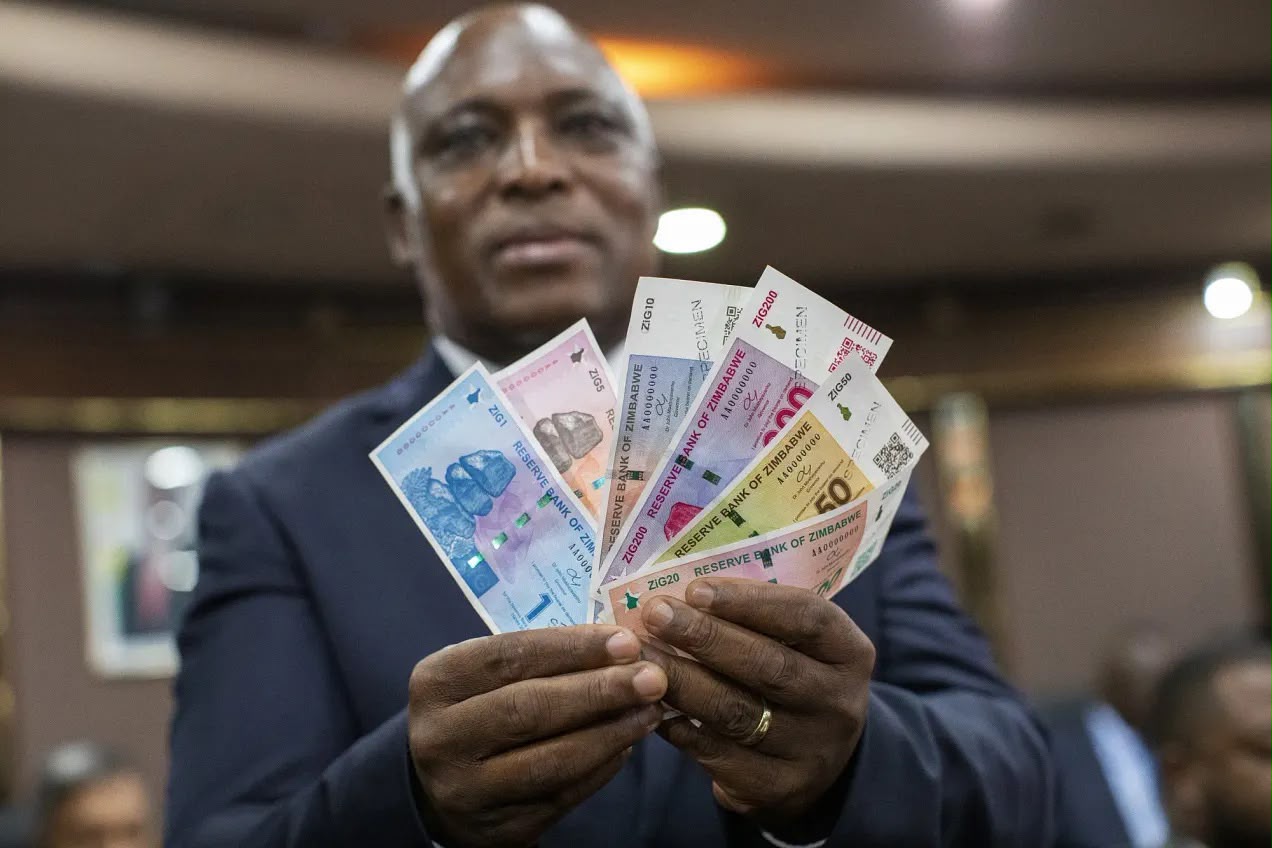
Zimbabwe’s plan to end the domestic use of the US dollar by 2030 is facing a major test of credibility after the World Bank warned that moving too quickly could destabilise the economy rather than strengthen it.
The warning comes at a delicate moment for Zimbabwe, which is attempting to build confidence in its bullion-backed Zimbabwe Gold, or ZiG, currency after years of severe monetary instability. The government wants ZiG to eventually become the country’s sole currency, but the World Bank argues that the success of that transition will depend less on the deadline itself than on whether Zimbabweans genuinely trust the local currency when the time comes.
World Bank warns against repeating 2019 mistake
In a report released on Friday, the World Bank cautioned that Zimbabwe’s ambition to establish ZiG as a mono-currency could result in what it described as “premature de-dollarisation” if the local currency has not achieved sufficient credibility.
“The government’s goal of transitioning to a mono-currency ZiG system carries a risk of premature de-dollarisation,” the lender said.
The concern is rooted in Zimbabwe’s recent monetary history. In 2019, authorities attempted to revive the Zimbabwean dollar after a prolonged period in which foreign currencies, particularly the US dollar, played a dominant role in the economy.
The experiment ended badly. Persistent currency weakness, inflation and declining public confidence eventually contributed to another collapse of the domestic currency. In April 2024, Zimbabwe introduced ZiG as its latest attempt to establish monetary stability.
The World Bank is therefore warning Harare not to treat de-dollarisation as simply a policy deadline that must be met.
“Forcing a shift before local currency credibility is established triggers capital flight, widens parallel market premiums, and reverses stabilisation gains,” it said.
That warning goes to the heart of Zimbabwe’s currency problem. A government can formally declare a currency the preferred or sole legal means of payment, but it cannot legislate confidence into existence. Businesses, households and investors ultimately determine which currency they are willing to hold, save and use.
The real test is confidence
Zimbabwe’s challenge is particularly difficult because the US dollar remains deeply embedded in economic activity. For many businesses and households, dollarisation has provided a degree of protection against the dramatic depreciation that previously affected the Zimbabwean dollar.
A forced transition could therefore produce unintended consequences.
If people believe ZiG will lose value, they may rush to convert their savings into US dollars or other hard assets. Businesses could increase their demand for foreign currency, while investors could move capital outside the country. Such behaviour would place additional pressure on the exchange rate and potentially widen the gap between official and parallel-market rates.
The World Bank’s central message is consequently one of sequencing.
“The pace and sequencing of any transition will be as important as the destination,” it said.
Zimbabwe, therefore, needs to establish monetary credibility before attempting to eliminate the currency that many economic actors currently trust most.
Debt restructuring creates an opening
The currency debate is unfolding alongside another potentially important development: Zimbabwe’s efforts to resolve its longstanding debt problems.
The country has been effectively excluded from international debt markets since 1999 after defaulting on its obligations. But negotiations with multilateral creditors and recent moves involving France and the United Kingdom could create a pathway towards restructuring billions of dollars in outstanding debt.
The World Bank sees this as an opportunity to pursue broader economic reforms.
Improved access to external financing could give Zimbabwe greater room to invest in infrastructure, support productive sectors and strengthen institutions. But access to financing alone will not solve the country’s structural problems. Fiscal discipline, credible monetary policy and investor confidence will remain essential.
Growth outlook faces a climate threat
The World Bank expects Zimbabwe’s economy to expand by about 5% in 2026, broadly matching the government’s forecast. However, that momentum is expected to weaken in 2027 as the effects of El Niño weigh on agriculture and wider economic activity.
Senior World Bank economist Victor Steenbergen linked the anticipated slowdown to drought conditions.
That presents another complication for Zimbabwe’s economic reform agenda. Agriculture remains highly important to livelihoods and economic activity, meaning severe drought can reduce food production, increase prices, weaken rural incomes and place additional pressure on government finances.
The broader lesson from the World Bank’s assessment is that Zimbabwe’s 2030 currency target should not become an end in itself. The objective should be to create a currency strong enough that citizens choose it, rather than one they are compelled to use.
If ZiG can earn that confidence before the US dollar is phased out, Zimbabwe could make a credible transition to monetary independence. If authorities move before that foundation is in place, the country risks reopening the very currency crisis it has spent years trying to escape.