


Why China Is Spending Billions Moving West
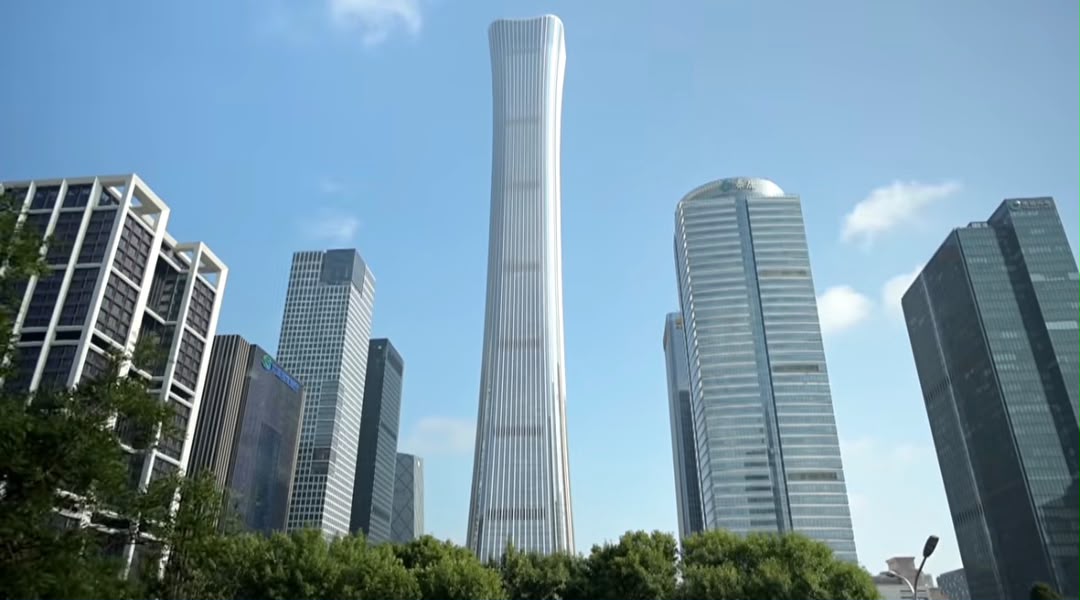
For decades, China’s economic growth was concentrated along its eastern coastline, where major cities such as Shanghai, Shenzhen and Guangzhou became centers of manufacturing, trade and investment.
But as China faces slower economic growth, a prolonged property-sector downturn and growing geopolitical tensions, Beijing is increasingly turning its attention toward the country’s vast western interior.
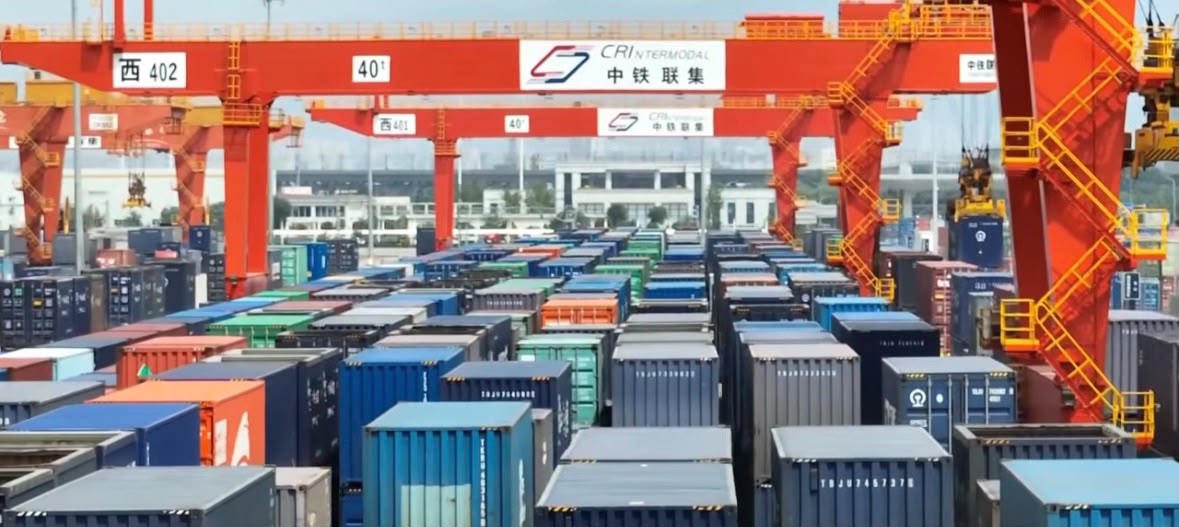
At the center of this strategy are the major cities of Chongqing and Chengdu, which are receiving major investments in advanced manufacturing, artificial intelligence, technology, logistics and transportation.
The goal is to build stronger economic hubs away from China’s traditional coastal centers while creating new trade routes connecting the country’s interior with international markets.
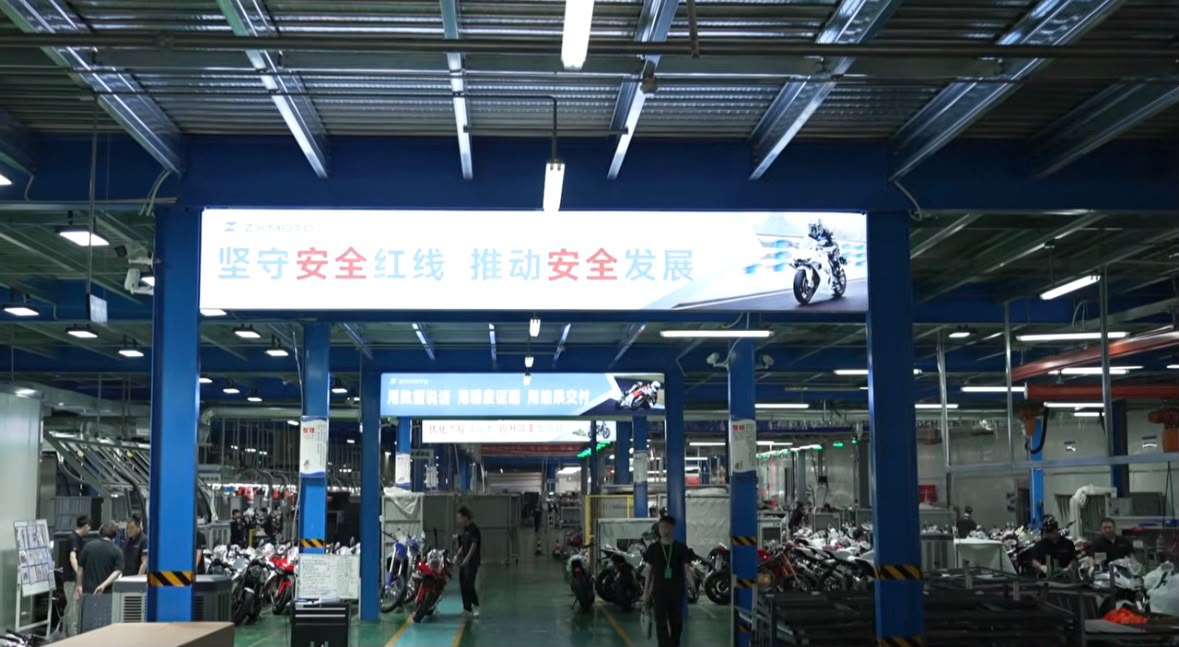 Chongqing, one of China’s largest cities, has become an important manufacturing and logistics center. Chengdu, meanwhile, has developed into a major technology and innovation hub in western China.
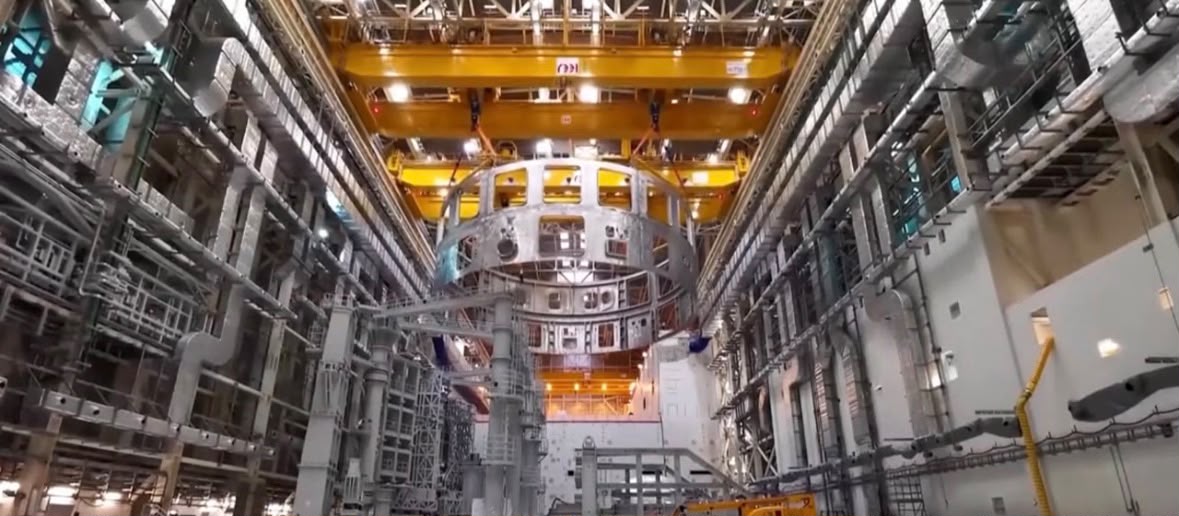 Investment in railways, highways, airports and other infrastructure is also helping connect these inland cities with markets in Central Asia and Southeast Asia.
China’s westward economic push is not only about finding new sources of growth. It is also part of President Xi Jinping’s broader effort to reduce the economic gap between China’s wealthy coastal provinces and less-developed inland regions.
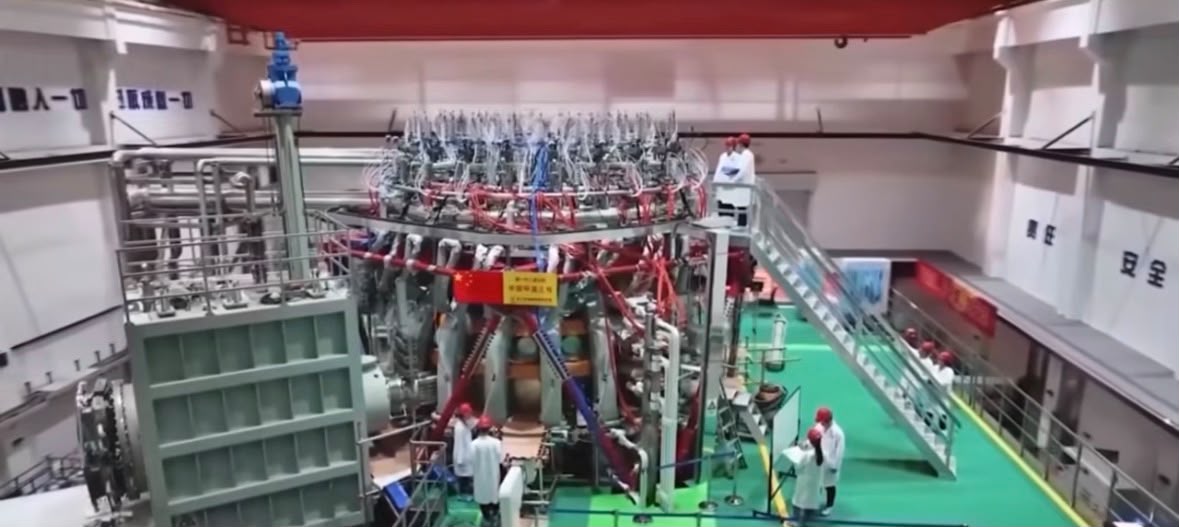 For Beijing, developing the west could help create jobs, attract investment and strengthen domestic supply chains while reducing the country’s dependence on its eastern export hubs.
The strategy also has a geopolitical dimension. Better connections through western China could strengthen trade with neighboring countries and support Beijing’s wider plans for expanding economic links across Asia.
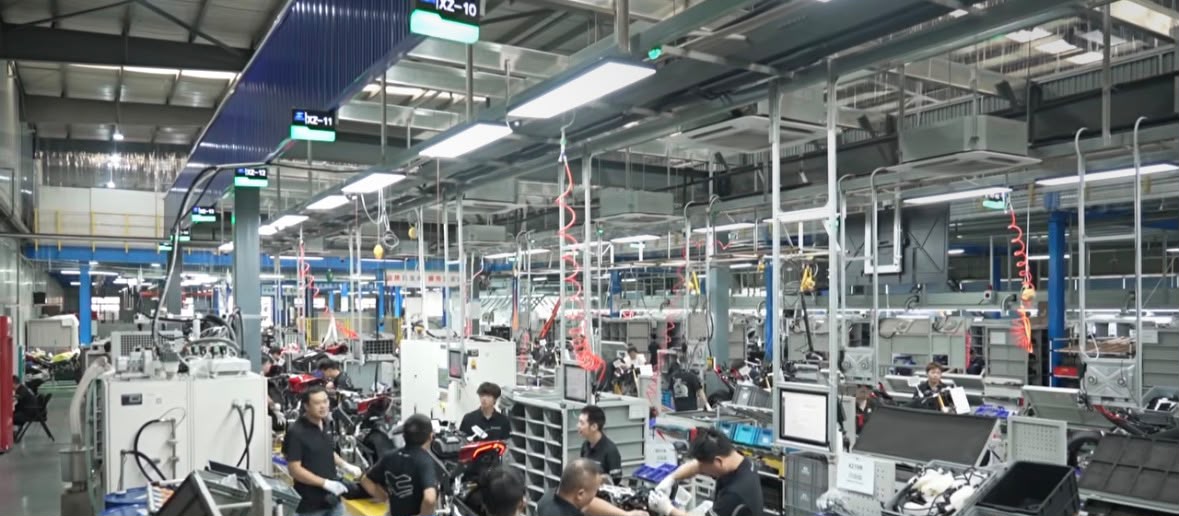 The major question is whether the enormous investment required to transform China’s interior can produce sustainable economic growth.
China’s western regions have significant land, industrial capacity and access to emerging markets. However, they also face challenges, including weaker consumer demand, uneven development and the enormous cost of building infrastructure across a vast territory.
Still, Beijing appears determined to continue the westward push.
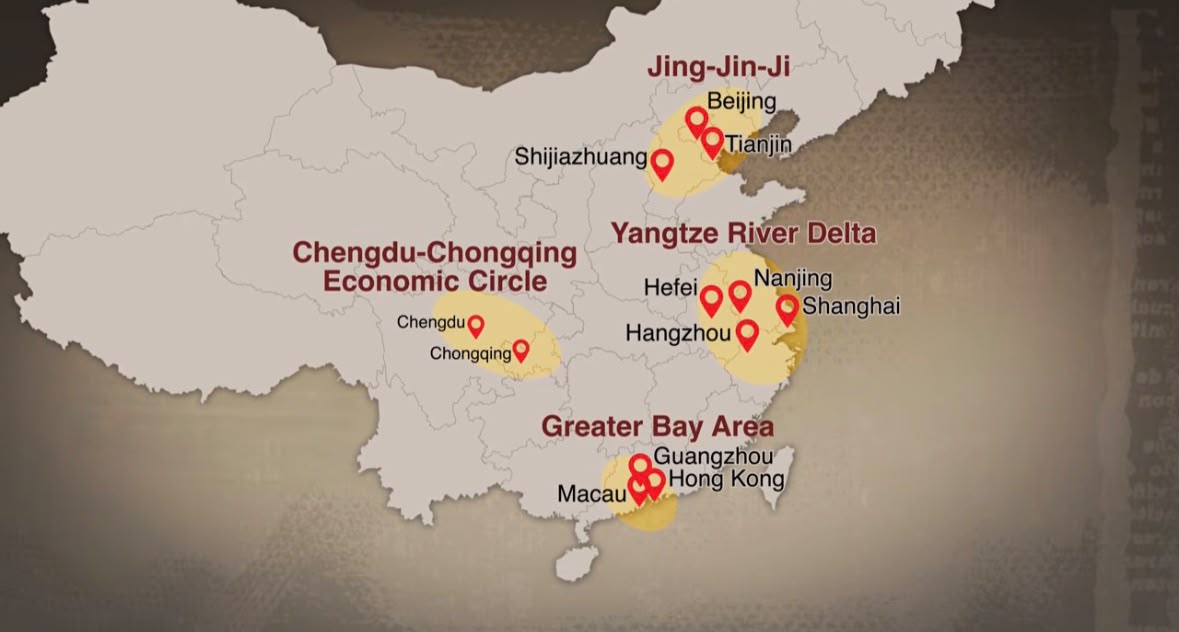
If successful, Chongqing and Chengdu could become more than major Chinese cities. They could emerge as gateways linking China’s interior to Central Asia, Southeast Asia and the wider global economy.
China’s economic future may therefore depend not only on what happens along its eastern coast, but also on whether its western interior can become the country’s next major engine of growth.