


IEA Urges Government to Turn Economic Stability Into Jobs, Transformation
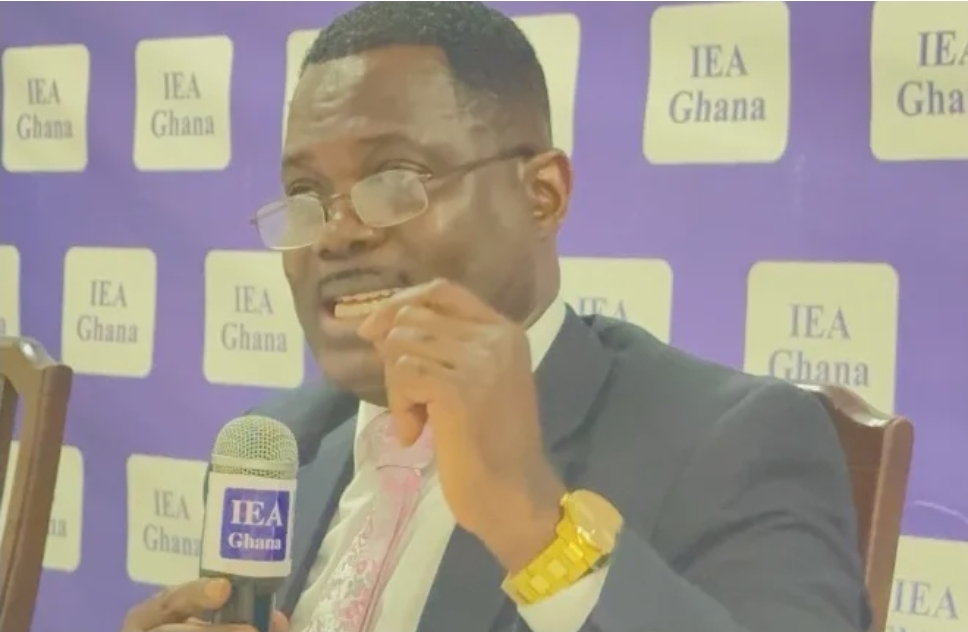
The Institute of Economic Affairs (IEA) says Ghana has made significant progress in restoring macroeconomic stability but must now shift its focus towards economic transformation, job creation and stronger productive sectors.
In an assessment of the 2026 Mid-Year Budget Review, the IEA said the economy recorded 6.4% GDP growth in the first quarter of 2026, ahead of the government’s full-year target of 4.8%. It also noted that inflation had fallen from 23.8% in December 2024 to 5.7% by June 2026, while the Monetary Policy Rate declined from 27% in January 2025 to 14% by June 2026.
The policy think tank, however, cautioned that the quality of economic growth matters. It said the current growth is being driven largely by the services sector, which grew by 7.1%, but has limited potential for creating enough jobs. It called for greater attention to industry, agriculture and value addition, particularly within the mining sector.
The IEA also raised concerns about the slow response of commercial lending rates to the reduction in the Monetary Policy Rate. According to the institute, the average lending rate has not fallen at the same pace as the policy rate, resulting in high borrowing costs that are restricting private sector credit, investment and production.
On fiscal policy, the IEA said reducing government expenditure is important but fiscal consolidation should not be treated as an end in itself. It called for public spending to be directed towards projects that generate strong economic returns and urged the newly established Fiscal Council to independently monitor government compliance with fiscal rules and provide transparent reports to the public.
The institute also warned against excessive reliance on gold for export earnings, foreign exchange stability and reserve accumulation. While acknowledging the role of GoldBod in increasing gold exports and foreign exchange inflows, it called for a broader strategy involving export diversification, import substitution and greater Ghanaian ownership of the economy.
The IEA further urged government to increase spending on agriculture from about 2% of the national budget to 10%, arguing that greater investment in agro-processing, extension services, climate adaptation and improved seed systems could help transform agriculture into a major driver of jobs and economic growth.
It also called for GoldBod to gradually move from being primarily a gold trader to becoming a strategic asset manager, while urging government to address the reported US$1.7 billion quasi-fiscal loss recorded in 2025.
The IEA said Ghana’s economic stabilisation should now provide the foundation for a new phase of development, with greater investment in infrastructure, industrialisation, value addition and sustainable job creation.
“The question is no longer whether Ghana can stabilize its economy,” the institute said. “The question is whether we have the courage to consolidate those gains into lasting economic transformation that improves the lives of every Ghanaian.”