


GoldBod “Losses” Largely Accounting Entries, Not Actual Loss to Ghana – IEA
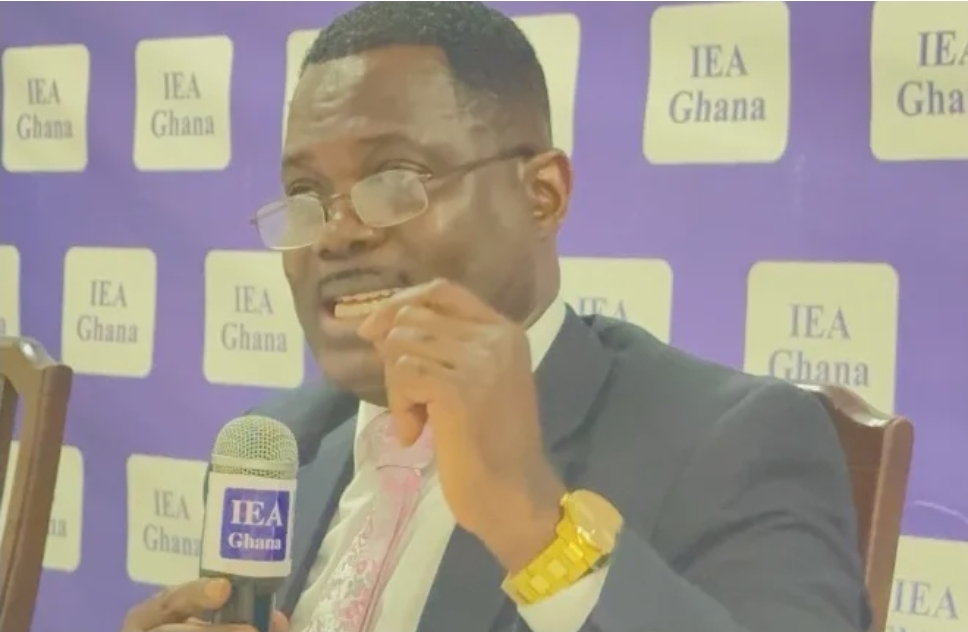
Economist and Director of Research at the Institute of Economic Affairs, Professor Alexander Bilson Darku, has argued that the much-discussed losses recorded in connection with the Ghana Gold Board’s operations should not be treated as an actual loss to the Ghanaian economy.
He said a significant portion of the reported $1.7 billion loss is linked to accounting and valuation methods rather than money actually lost by the country.
Speaking at a press conference organised by the Institute of Economic Affairs to assess the 2026 Mid-Year Budget Review, Professor Bilson Darku said two components of the reported losses were payments made by the Bank of Ghana to GoldBod for services provided in buying and exporting gold.
He explained that while the payments represented a cost to the Bank of Ghana, they were simultaneously revenue to GoldBod. This means the money moved from one government institution to another and, therefore, should not be treated as a net loss to the state.
Professor Bilson Darku said the largest component of the reported loss was linked to the exchange rate used to value dollar proceeds from gold exports in the Bank of Ghana’s books.
He explained that GoldBod may purchase gold using one exchange rate and later have the dollar proceeds valued using the Bank of Ghana’s reference rate. The difference can create an accounting loss in the books, although it does not necessarily represent an equivalent loss to the wider economy.
The economist said the country must therefore distinguish between an accounting or valuation loss and an actual economic loss when assessing GoldBod’s performance.
He also pointed to what he described as broader economic benefits from GoldBod’s operations, including support for currency stability, lower import costs, an improvement in the country’s debt-to-GDP position and the accumulation of foreign exchange reserves.
According to him, these benefits should also form part of any assessment of GoldBod’s contribution to the Ghanaian economy.
Professor Bilson Darku further commented on the new financing arrangement under which GoldBod is expected to seek funding from the private sector rather than rely on the Bank of Ghana to finance its gold purchases.
He said the change is new to Ghana and must be approached cautiously, but if properly managed, it could create opportunities for further development of the country’s capital markets.