


Republicans Head Into Midterms With a Narrow Agenda as Trump Takes Center Stage
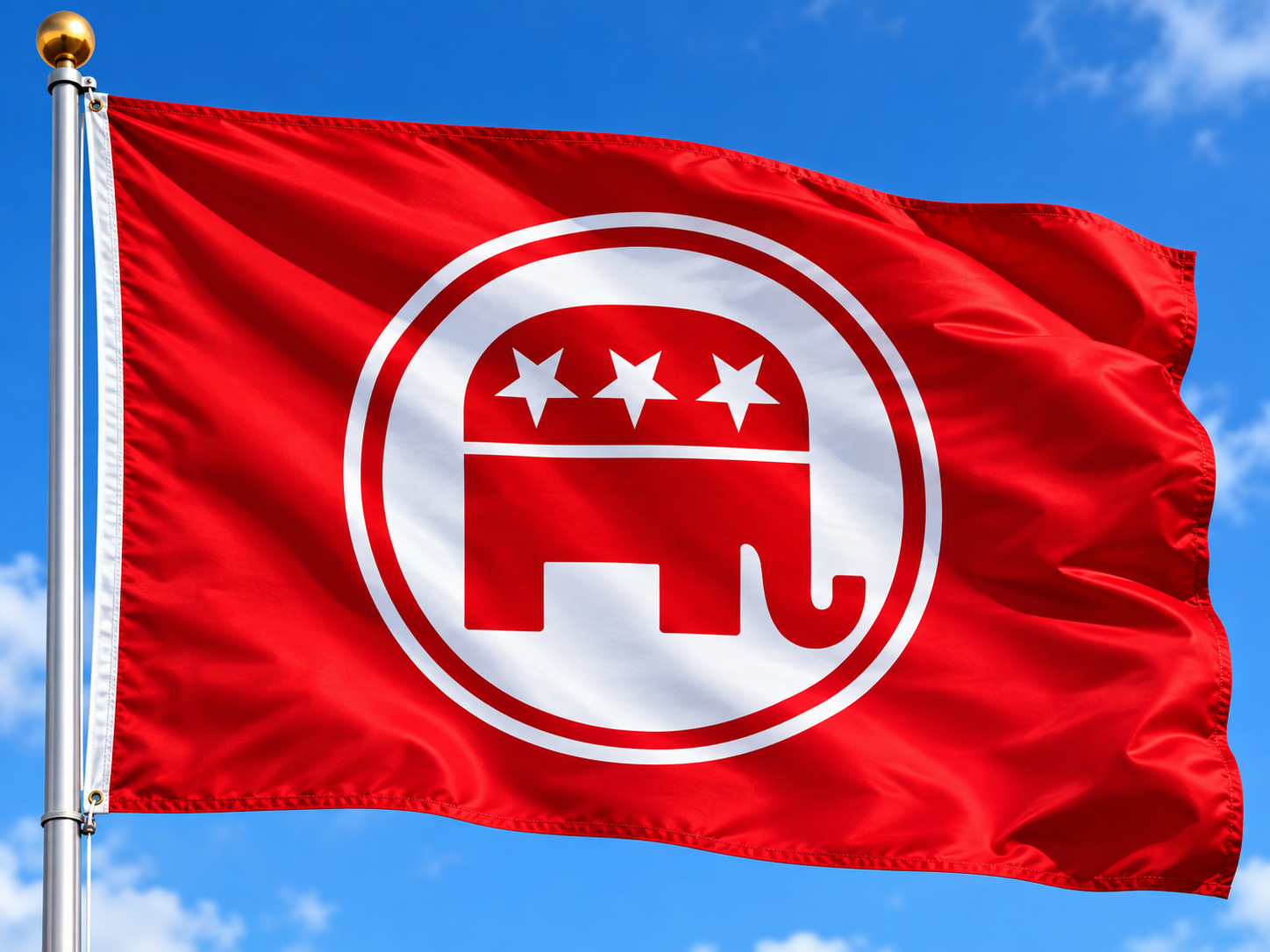
Republicans are heading toward the 2026 midterm elections with a political strategy heavily centered on President Donald Trump, while the party has yet to present voters with a broad, clearly defined legislative agenda.
At the Republican Party’s first midterm convention in Dallas, Trump and party leaders focused much of their messaging on attacking Democrats, energizing the Republican base and promoting the president’s record. The gathering offered relatively few detailed proposals for what Republicans would pursue if they retain control of Congress.
Trump has increasingly framed the November election as a choice between his administration and the Democratic Party. That approach could help motivate his most loyal supporters, but it also risks making the election a referendum on his own approval ratings and the issues voters are most concerned about.
The economy and the cost of living remain major concerns for Americans. However, Trump and other Republicans at the Dallas convention largely avoided making affordability the central focus of their campaign message. Instead, the president emphasized his criticism of Democrats and warned supporters about what he described as the consequences of a Democratic victory.
Trump also offered several ideas that could become part of the Republican campaign. Among them was a proposal to provide a $5,000 payment to adult Americans if Republicans maintain control of both chambers of Congress. The proposal has already generated questions among Republicans about its cost, funding and whether it could realistically be implemented.
Other themes discussed at the convention included tougher immigration policies, election rules, prescription drug prices and efforts to reduce government fraud. Trump also promoted legislation intended to prevent future administrations from reopening the southern border and called for stronger citizenship requirements for federal voter registration.
The challenge for Republicans is that the party’s campaign is increasingly tied to Trump personally. Some Republican candidates in competitive districts have reportedly been reluctant to have him campaign with them, concerned that his low approval ratings could hurt their chances with independent and moderate voters.
At the same time, Republican strategists recognize that Trump remains important for turning out voters who may otherwise be less likely to participate in a midterm election. The party therefore faces a difficult balancing act: keeping Trump’s core supporters engaged while giving candidates enough room to focus on local economic and political concerns.
With the November elections approaching, Republicans will need to turn their broad themes into a more convincing message for voters. Whether a campaign built largely around Trump and opposition to Democrats can preserve the GOP’s congressional majorities will become one of the central questions of the 2026 midterms.