


Why OnePlus Is Exiting Some Global Markets: The Rise, Challenges and Future of the “Flagship Killer” Brand
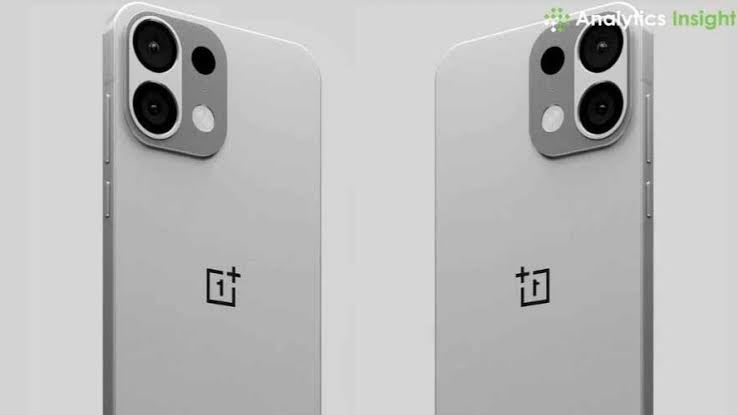
For more than a decade, OnePlus represented one of the biggest disruptions in the global smartphone industry. The Chinese smartphone maker built a loyal following by offering premium specifications at lower prices than established giants such as Apple and Samsung, earning the famous nickname flagship killer.
However, the company is now entering a new chapter after announcing plans to withdraw from some major international markets, including the United States and Europe, as part of a wider restructuring strategy by its parent company, OPPO.
Reports indicate that the move is linked to declining momentum, intense competition, rising operational costs and a broader shift in smartphone business priorities.
The decision has shocked many technology enthusiasts because OnePlus was once considered one of the most promising alternatives to the traditional smartphone giants.
The Beginning of a Smartphone Revolution
OnePlus was founded in 2013 and launched its first smartphone, the OnePlus One, in 2014. The device challenged the industry by offering high-end hardware at a significantly lower price than flagship phones from Samsung and Apple.
The company’s strategy was built around three major ideas:
Premium performance
Competitive pricing
A strong connection with technology enthusiasts
Unlike traditional smartphone companies that relied heavily on advertising, OnePlus initially grew through online communities, invitations, social media campaigns and word-of-mouth marketing.
Its early success showed that consumers were willing to move away from established brands if they received better value.
Why Is OnePlus Leaving Some Markets?
1. Fierce Competition From Apple, Samsung and Chinese Rivals
One of the biggest challenges facing OnePlus has been the increasingly competitive smartphone market.
While OnePlus once stood out as a unique challenger brand, the market has changed significantly. Samsung and Apple continue to dominate premium smartphone segments, while Chinese competitors such as Xiaomi, Honor, Vivo and OPPO have expanded aggressively with competitive devices.
The company’s original advantage, offering flagship specifications at lower prices, became harder to maintain as many competitors adopted similar strategies.
Today, consumers have many more choices, making it difficult for OnePlus to maintain the strong identity it had during its early years.
2. The Smartphone Business Has Become More Expensive
The economics of producing smartphones have changed.
Component costs, research and development expenses, software support requirements and global distribution costs have increased pressure on smartphone manufacturers.
OnePlus built its reputation by providing powerful phones at aggressive prices, but maintaining that model globally has become more difficult.
Reports have pointed to financial pressures affecting OPPO’s wider smartphone strategy, leading the company to reconsider where its brands can compete most effectively.
3. OPPO’s Global Restructuring Strategy
OnePlus is not an independent company in the traditional sense. It is owned by OPPO, one of the world’s largest smartphone manufacturers.
Over the years, OnePlus has become increasingly integrated with OPPO’s technology ecosystem, including software development, hardware platforms and supply chains.
The restructuring appears aimed at allowing OPPO to focus resources on markets where it sees stronger opportunities while reducing duplication between its different smartphone brands.
4. Weak Performance in Some Western Markets
The United States and European smartphone markets have historically been difficult for Chinese smartphone brands.
In the US, Apple and Samsung dominate consumer mindshare, carrier relationships and retail presence. OnePlus achieved some growth through partnerships with operators such as T-Mobile, but it struggled to become a mainstream competitor.
Europe has also presented challenges, including regulatory issues, competition and the difficulty of building strong distribution networks.
5. Patent and Regulatory Challenges
OnePlus and OPPO have previously faced legal challenges in some European countries, particularly involving patent disputes.
For example, OPPO and OnePlus temporarily halted smartphone sales in Germany following a patent dispute with Nokia related to telecommunications technology.
Although such disputes are not the only reason behind the current restructuring, they demonstrate the additional challenges Chinese smartphone companies face when expanding globally.
What Happens to Existing OnePlus Users?
For existing customers in affected markets, OnePlus has indicated that current devices will continue receiving support, including software updates and warranty services.
However, future devices may not be officially launched in some withdrawn markets. Reports also suggest deeper integration with OPPO’s software ecosystem, including possible movement from OxygenOS toward ColorOS-based experiences in some regions.
This raises questions among longtime OnePlus fans because OxygenOS was one of the features that helped the brand stand apart.
The End of the “Never Settle” Era?
OnePlus’ original slogan, “Never Settle,” represented its ambition to challenge established smartphone companies.
The company proved that a smaller brand could compete globally by focusing on innovation, pricing and community engagement.
However, the smartphone industry today is far more difficult than it was in 2014. The market has matured, competition has intensified and profitability has become more important than simply gaining market share.
The withdrawal from some regions does not necessarily mean the end of OnePlus. Instead, it represents a strategic retreat, focusing resources where the brand believes it can survive and grow.
What This Means for the Smartphone Industry
OnePlus’ retreat highlights a broader reality in the smartphone industry: building a global technology brand is extremely difficult.
The era when a new company could enter the market and challenge Apple and Samsung with cheaper flagship phones is becoming increasingly rare.
For millions of OnePlus fans, the company’s next move will determine whether it remains a respected technology brand or becomes another example of how difficult global smartphone competition has become.
OnePlus is not leaving some markets because its phones failed. In many ways, the brand succeeded in changing consumer expectations and forcing competitors to offer better value.
However, changing market conditions, rising costs, stronger competition and OPPO’s strategic priorities have forced the company to rethink its global ambitions.
The “flagship killer” may be entering a quieter phase, but its impact on the smartphone industry will remain one of the most important stories in modern mobile technology.