
European, Asian and Gulf leaders back US–Iran peace framework
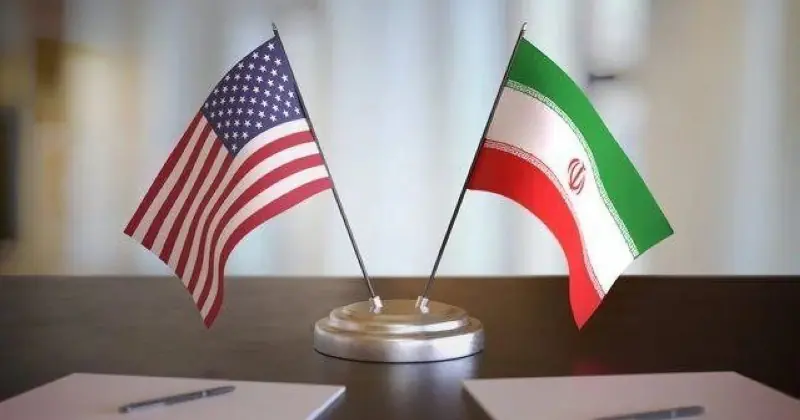
World leaders on Monday welcomed the announcement of a preliminary peace agreement between the United States and Iran, expressing cautious optimism that the deal could help ease regional tensions and reopen the Strait of Hormuz to international shipping.
The development triggered a positive reaction in global markets, with oil prices falling and stock markets rallying amid hopes of improved stability in the Middle East and the restoration of energy exports through the strategic waterway.
German officials welcomed the agreement, with Berlin stressing that the priority now is to ensure the deal advances Europe’s broader goals for regional security and stability. Iranian Foreign Minister Abbas Araghchi also held discussions with Turkish Foreign Minister Hakan Fidan regarding the ceasefire announcement and ongoing regional developments.
According to Iranian media, Araghchi said Israeli military operations in Lebanon should end under the framework of the agreement. Fidan expressed optimism about the deal while warning against any actions that could undermine the ceasefire efforts. Iranian officials also confirmed that Araghchi held separate talks with the foreign ministers of Egypt and Iraq, dw.com reports.
UN High Commissioner for Human Rights Volker Türk described the situation as a “fragile moment” and urged all parties to exercise maximum restraint and implement the agreement in good faith. He welcomed the reported provisions for an immediate ceasefire, the reopening of the Strait of Hormuz and the continuation of negotiations.
Saudi Arabia and Qatar also reacted positively to the announcement. Riyadh said the agreement could serve as a basis for broader peace negotiations while emphasizing the importance of respecting the security interests of regional countries and non-interference in internal affairs.
Qatar described the ceasefire as an important step toward sustainable peace and stronger regional and international economic growth, particularly given the strategic significance of the Strait of Hormuz for global energy supplies.
European leaders echoed similar sentiments, while emphasizing that the agreement must now be translated into concrete action. European Commission President Ursula von der Leyen called for the swift implementation of the agreement, including the resumption of free navigation through the Strait of Hormuz and broader regional de-escalation.
British Prime Minister Keir Starmer described the development as a “significant breakthrough” but cautioned that further work would be needed to secure a lasting peace. Similar statements were issued by German Chancellor Friedrich Merz and French President Emmanuel Macron, both of whom stressed the importance of fully implementing the agreement.
China also welcomed the announcement and praised Pakistan’s mediation efforts. Beijing said it hoped safe and unrestricted passage through the Strait of Hormuz would resume as soon as possible to support global trade and energy markets.
Pakistani Prime Minister Shehbaz Sharif hailed the agreement as a “historic step toward peace,” saying Pakistan had played a key mediating role between Washington and Tehran throughout the conflict.
Source:timeskuwait.com