


Papaye at 35: The Ghanaian Brand That Made Fast Food Familiar
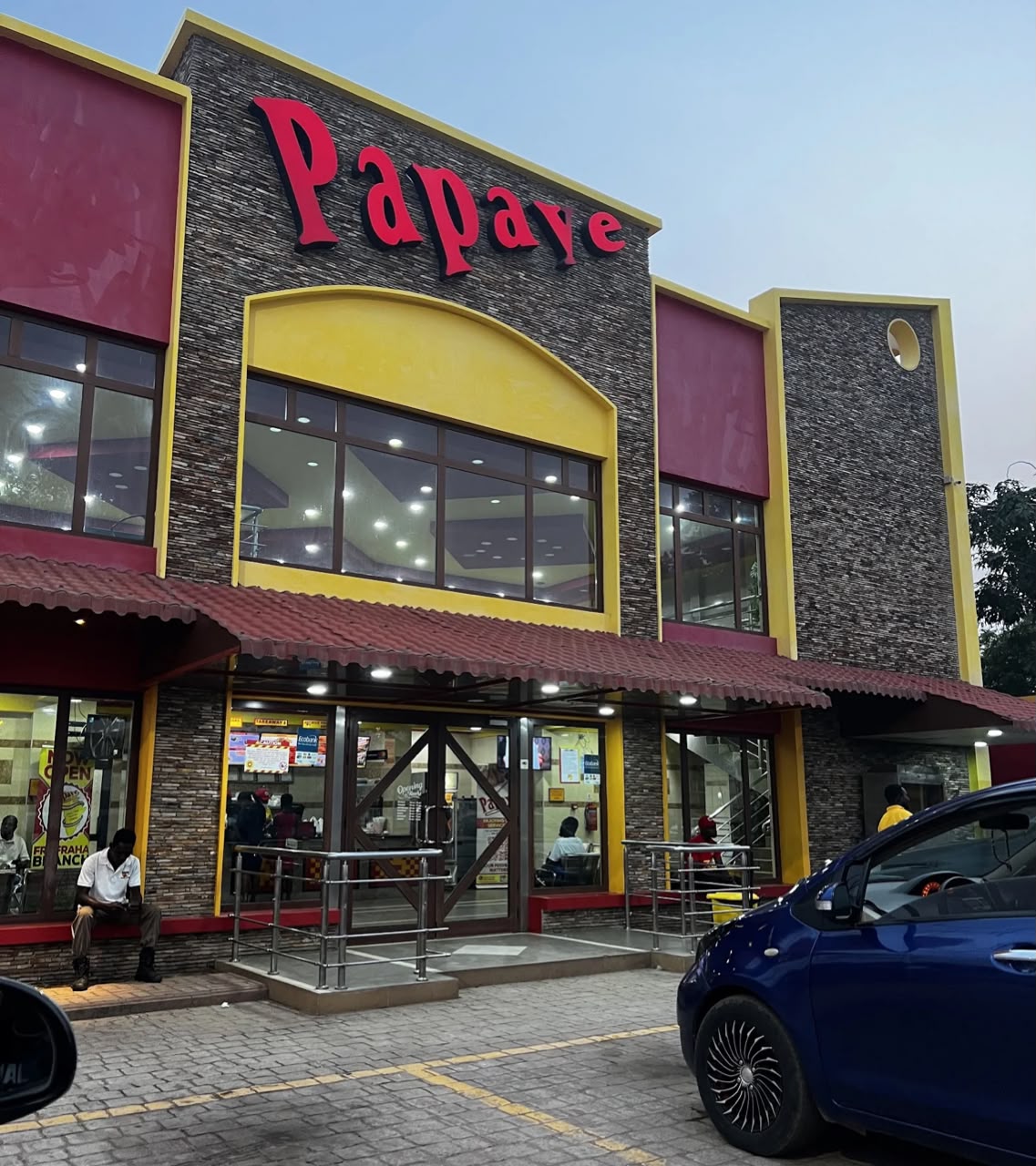
Before fast-food restaurants became common across Ghana, eating outside the home was largely associated with chop bars, hotels, street food sellers and traditional restaurants.
Papaye Fast Food helped change that culture.
The Ghanaian restaurant brand began operations in Accra in the early 1990s and gradually became one of the country’s best-known names in fast food. Its success was built around affordable meals, quick service and flavours that appealed to local customers.
According to the Papaye Group, the company was incorporated in November 1990 and received approval to commence business in June 1991. Its actual operations began on December 31, 1991, at Osu on Oxford Street, then widely known as a busy social and commercial centre in Accra.
The business started with only 12 workers. Over the years, it expanded its menu, workforce and branch network, eventually becoming a familiar name to families, students, workers and travellers.
A local approach to fast food
Papaye’s early success came from combining the convenience of fast food with meals that Ghanaians already enjoyed.
While international fast-food restaurants often focused on burgers, fries and fried chicken, Papaye placed strong emphasis on fried rice, chicken, fish, pepper sauce and other meals that felt closer to Ghanaian tastes.
Research on Ghana’s fast-food industry published through Wageningen University’s repository describes Papaye as one of the pioneers of fast food in Accra. The research also notes that fried rice became so closely associated with the brand that some people began using “papaye” as an informal reference to fried rice.
That connection helped the restaurant stand out. Customers could enjoy a quick meal while still receiving familiar flavours and generous portions.
Pizza, burgers, sandwiches and fries also formed part of the wider fast-food menu. However, Papaye’s strongest identity was built around chicken, rice and local-style accompaniments rather than pizza alone.
The man behind the brand
Samir Kalmoni, also known as Nana Kweku Asabri II, is the owner of Papaye Fast Foods. The company began with a small team but gradually grew into a major employer in Ghana’s hospitality industry.
Papaye’s growth reflected a wider change in Accra. As the city expanded, more people needed convenient meals near workplaces, shopping areas and entertainment centres. The restaurant became particularly popular among young people, workers and families looking for a clean and organised place to eat.
A study on fast-food culture in Accra described Papaye as one of the businesses that helped introduce modern fast-food habits to a wider Ghanaian public. Its success also encouraged other restaurants and food businesses to enter the market.
Expansion across Accra
Papaye gradually opened more branches in different parts of Accra and later expanded to other locations. The company’s official website currently describes the brand as having more than 10 locations and over 600 staff members.
In February 2024, Papaye opened a branch at East Legon, according to Radio Univers. The expansion showed the company’s continued effort to reach customers in growing residential and commercial communities.
The brand has also moved into online ordering and delivery, responding to changes in customer behaviour and the growing popularity of food-delivery services.
Competition and the future
Papaye now operates in a much more competitive food market. Ghana has attracted international franchises and local chains offering chicken, pizza, burgers, rice meals and other fast-food products.
Despite the competition, Papaye remains one of the country’s most recognisable indigenous fast-food brands. Its long presence has allowed it to build customer loyalty and a strong place in Ghanaian popular culture.
The story of Papaye is therefore more than the story of a restaurant. It is also the story of how Ghanaian businesses adapted the fast-food idea to local tastes.
By serving familiar meals in a quicker and more organised format, Papaye helped make fast food part of everyday life in Ghana. Its journey from a small Osu restaurant with 12 workers to a nationwide household name remains one of the notable success stories in Ghana’s hospitality industry.
Sources:Papaye Group’s official

