

GCB Bank third-quarter profit up 39% to GH¢629.11m as loans nearly double
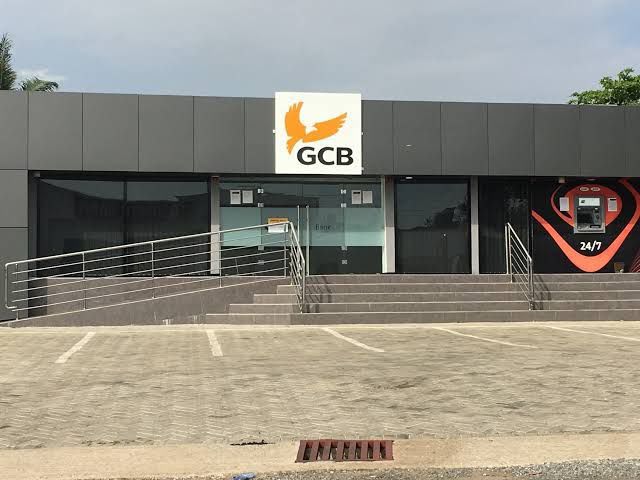
GCB Bank PLC made a profit after tax of GH¢629.11 million in the third quarter of 2026, up 39 per cent from GH¢451.07 million in the same three months of 2025, its unaudited accounts show.
That lifted profit for January to September to GH¢1.86 billion at bank level, 44 per cent more than the GH¢1.29 billion of a year earlier. With its subsidiaries included, the group earned GH¢1.87 billion.
The bank released its nine-month statements through the Ghana Stock Exchange on October 26. The July-to-September figure is the gap between that total and the GH¢1.23 billion it earned in the first half.
The result runs against the industry trend. Banks’ combined profit after tax fell 5.7 per cent to GH¢9.2 billion in the eight months to August, the Bank of Ghana’s October Banking Sector Development Report showed, as falling lending rates squeezed interest earnings.
Where GCB Bank’s profit came from
Lending, fees and trading drove the gains. Interest income barely moved over the nine months, rising 1.3 per cent to GH¢4.39 billion.
Inside that total, interest on loans rose 40.5 per cent to GH¢2.51 billion. Income from investment securities, mostly government paper, fell 24.6 per cent to GH¢1.71 billion as yields came down.
The bank’s own funding got much cheaper. Interest expense dropped 31.9 per cent to GH¢816 million, so net interest income still grew 14 per cent to GH¢3.57 billion.
Borrowers are paying less too. The Ghana Reference Rate, the benchmark banks use to price loans, fell to 10.01 per cent for November.
Fee and commission income jumped 68 per cent to GH¢1.32 billion. Processing and facility fees, which rise with new lending, more than doubled to GH¢408.4 million from GH¢171.5 million.
Net trading income climbed 72 per cent to GH¢1.01 billion. Fixed-income trading brought in GH¢625.9 million and foreign exchange GH¢380.8 million.
Operating income reached GH¢5.70 billion, up 32 per cent. Taxes and levies took GH¢1.01 billion, about 35 per cent of pre-tax profit of GH¢2.87 billion.
GCB loans up 83 per cent as bad debts fall
Net loans to customers stood at GH¢25.23 billion at the end of September, up 83 per cent on GH¢13.77 billion in September 2025. Gross loans grew 66 per cent to GH¢26.33 billion.
Net loans rose faster partly because the credit impairment allowance shrank to GH¢907.4 million from GH¢1.77 billion.
Customer deposits rose 34 per cent to GH¢50.40 billion, about 93 per cent of it in current and savings accounts. Loans now equal about half of customer deposits, against about 37 per cent a year ago.
Total assets grew almost 36 per cent to GH¢67.62 billion. The Bank of Ghana says assets across the whole banking sector rose 20.5 per cent in the year to August.
The non-performing loan ratio fell to 4.8 per cent from 10.8 per cent in September 2025, though it edged up from 4.7 per cent at the end of June. Impairment charges rose 51 per cent to GH¢260.1 million as the loan book expanded.
Thinner capital buffer, rising costs
The capital adequacy ratio dropped to 14.6 per cent from 16.2 per cent a year earlier and 15.9 per cent in June. The liquid ratio dropped to 64.3 per cent from 73.4 per cent.
The accounts also record GH¢492,000 in “other regulatory sanctions” for the period, against none a year earlier. They do not say what the sanctions were for.
Costs grew faster in the third quarter. Operating expenses for July to September came to GH¢938 million against operating income of GH¢1.97 billion, a cost-to-income ratio of 47.7 per cent.
For the nine months as a whole, the ratio improved to 45.1 per cent from 49.2 per cent a year earlier.
Personnel costs rose 22 per cent to GH¢1.45 billion. Performance awards accounted for GH¢329.5 million of that, up from GH¢237.4 million.
GCB paid GH¢265 million in dividends during the period. Earnings per share for the nine months rose to GH¢9.38 from GH¢6.51.
Board Chairman Prof. Joshua Alabi and Managing Director Farihan Alhassan signed the statements. Fitch Ratings said last month that Ghana’s banking sector has healthy profitability metrics.